 Norway Pro Fishing
Norway Pro Fishing
Norway Pro Fishing
Essential gear for successful and safe cold season fishing
Proper equipment makes the difference between a successful fishing trip and a miserable experience in winter conditions. Cold weather fishing requires specialized gear that can handle freezing temperatures, icy conditions, and the unique challenges of winter angling. This guide covers essential equipment categories to help you prepare for Norwegian winter fishing adventures.

Winter fishing rods must be versatile and durable. For ice fishing, shorter rods between 24-36 inches provide better control in confined spaces. Medium-light to medium power rods work well for most species. Coastal fishing requires longer rods, typically 7-9 feet, with sufficient backbone to handle larger fish in challenging conditions.
Graphite and composite materials perform well in cold weather. These materials maintain flexibility at low temperatures better than fiberglass. Sensitive rod tips help detect subtle winter bites when fish are less aggressive.
Quality reels designed for cold weather operation are essential. Look for sealed bearing systems that resist freezing and moisture intrusion. Spinning reels work well for most applications, while conventional reels excel for deep water fishing and handling large species.
Line capacity matters when targeting deep water species. Ensure reels can hold sufficient line for the depths you plan to fish. Smooth drag systems are crucial for fighting fish in cold conditions when lines and knots are more prone to failure.
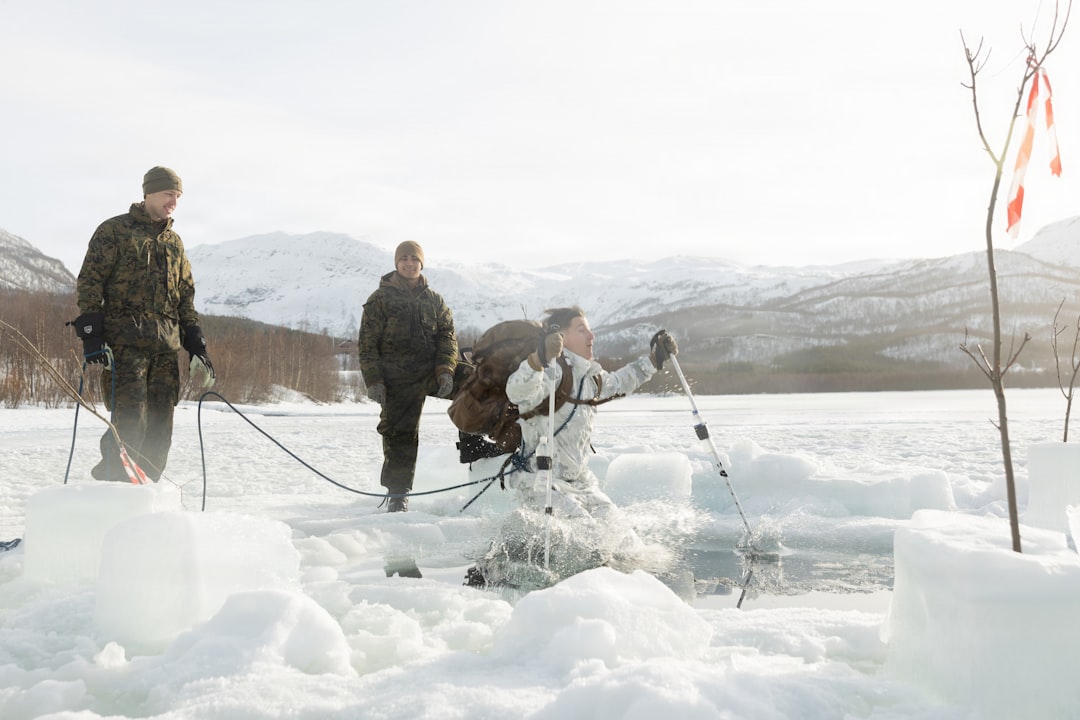
Effective cold weather clothing follows a three-layer approach. The base layer wicks moisture away from skin. Merino wool or synthetic materials work best. Avoid cotton, which retains moisture and loses insulating properties when wet.
The insulation layer traps warm air. Fleece, down, or synthetic insulation provides warmth without excessive bulk. Multiple thin layers offer more flexibility than single thick layers, allowing adjustment as activity levels and temperatures change.
The outer layer protects from wind and precipitation. Waterproof, breathable materials keep you dry while preventing overheating. Features like adjustable hoods, sealed seams, and storm cuffs enhance protection in harsh conditions.
Hands and feet require special attention. Insulated, waterproof gloves with good dexterity allow line handling while maintaining warmth. Consider fingerless gloves with fold-over mittens for maximum versatility.
Insulated, waterproof boots rated for extreme cold protect feet during long fishing sessions. Removable liners allow drying between trips. Traction soles prevent slipping on ice and snow.

Ice augers drill holes through frozen surfaces. Manual augers work for occasional use, while power augers save effort on frequent trips or thick ice. Blade diameter affects both cutting speed and hole size needed for different species.
Ice shelters protect from wind and cold. Portable options range from simple windbreaks to insulated flip-over shelters. Size depends on the number of anglers and desired comfort level.
Ice scoops remove slush from holes. Keep holes clear for better fish visibility and easier line management. A chisel or ice pick helps maintain hole edges and check ice thickness.
Fish finders designed for ice fishing provide real-time information about depth, structure, and fish location. Flasher-style units excel at showing fish movement and bait position. GPS units help mark productive spots and navigate in featureless winter landscapes.
Headlamps provide hands-free lighting during early morning or evening fishing. LED technology offers long battery life in cold conditions. Red light modes preserve night vision.
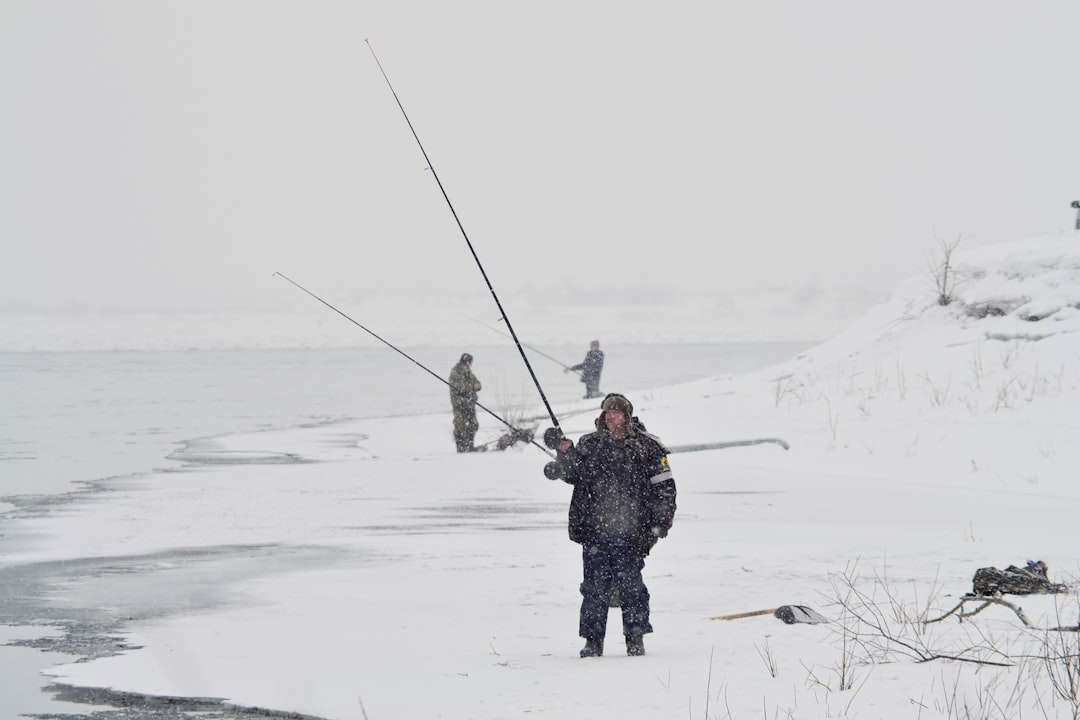
Monofilament line works well in cold water when properly managed. Low-stretch varieties offer better sensitivity. Fluorocarbon provides near-invisible presentation and abrasion resistance. Braided line offers superior strength and sensitivity but requires careful handling in freezing conditions to prevent ice buildup.
Line weight depends on target species and fishing method. Light lines present bait naturally but may not handle large fish or snags. Heavier lines provide security but may reduce bites from cautious winter fish.
Winter lure selection emphasizes smaller sizes and subtle actions. Jigging spoons, blade baits, and soft plastics work well. Bright colors help visibility in murky water or low light conditions. Natural patterns match prevalent forage.
Live bait remains highly effective during winter. Minnows, worms, and insect larvae attract fish when artificial presentations fail. Fresh bait outperforms frozen options. Proper bait storage maintains quality throughout fishing trips.