Norwegian waters host remarkable diversity of fish species that remain active throughout winter months. Understanding which species to target, their winter behavior patterns, and effective techniques for each creates opportunities for exceptional fishing experiences. This comprehensive guide covers the most sought-after winter species in Norwegian waters.
Atlantic Cod: The Winter King
Atlantic cod dominates Norwegian winter fishing. These powerful fish aggregate in massive numbers during winter spawning migrations, creating world-class fishing opportunities from January through March.
Winter Behavior
Cod migrate from deep offshore feeding grounds to coastal spawning areas during winter. This movement brings large concentrations of fish into accessible depths. Mature cod seek specific spawning grounds used generation after generation, making certain locations predictably productive year after year.
Water temperature influences cod activity significantly. They prefer temperatures between 2°C and 8°C, remaining active and feeding aggressively within this range. Cod feed primarily during daylight hours in winter, with peak activity occurring during midday when light penetration reaches optimal levels.
Where to Find Winter Cod
Target rocky bottom structures, underwater plateaus, and areas near steep drop-offs. Depths between 30 and 100 meters typically hold good numbers. Cod school tightly, so locating one fish often means finding many. Electronic fish finders help identify these concentrations.
Lofoten Islands represent the epicenter of Norwegian winter cod fishing. The massive Lofoten cod migration attracts anglers worldwide. However, excellent cod fishing exists throughout coastal Norway from south to north during winter months.
Effective Techniques
Vertical jigging with heavy metal lures works exceptionally well. Jigs between 150-400 grams match the depths and currents typically encountered. Work lures with aggressive pumping motions followed by controlled drops. Cod strike during both upward and downward movements.
Natural bait fishing remains highly effective. Whole or cut herring, mackerel, or squid presented on bottom rigs produces consistent results. Tie two-hook rigs allowing simultaneous presentation at different levels above bottom. Fresh bait outperforms frozen options.
Arctic Char: Jewel of Mountain Lakes
Arctic char inhabit cold, pristine lakes and rivers throughout Norway. These beautifully colored fish provide excellent sport during winter months when accessed through ice or open water.
Winter Habits
Char remain active throughout winter, feeding opportunistically on available prey. Unlike many species that reduce activity in cold water, char evolved in Arctic conditions and maintain healthy appetites. They patrol depths between 5 and 30 meters seeking small fish, crustaceans, and insect larvae.
Light conditions affect char behavior. They feed most actively during low-light periods—early morning, evening, and overcast days. Through ice, char often cruise just beneath the surface during midday, visible to observant anglers.
Location Strategies
Char prefer areas with clean, well-oxygenated water. Springs, creek inflows, and areas with current concentrate fish. Rocky structures, drop-offs, and underwater humps serve as feeding zones. During ice fishing, mobility is key—successful char anglers drill multiple holes and move frequently until locating active fish.
Tackle and Presentation
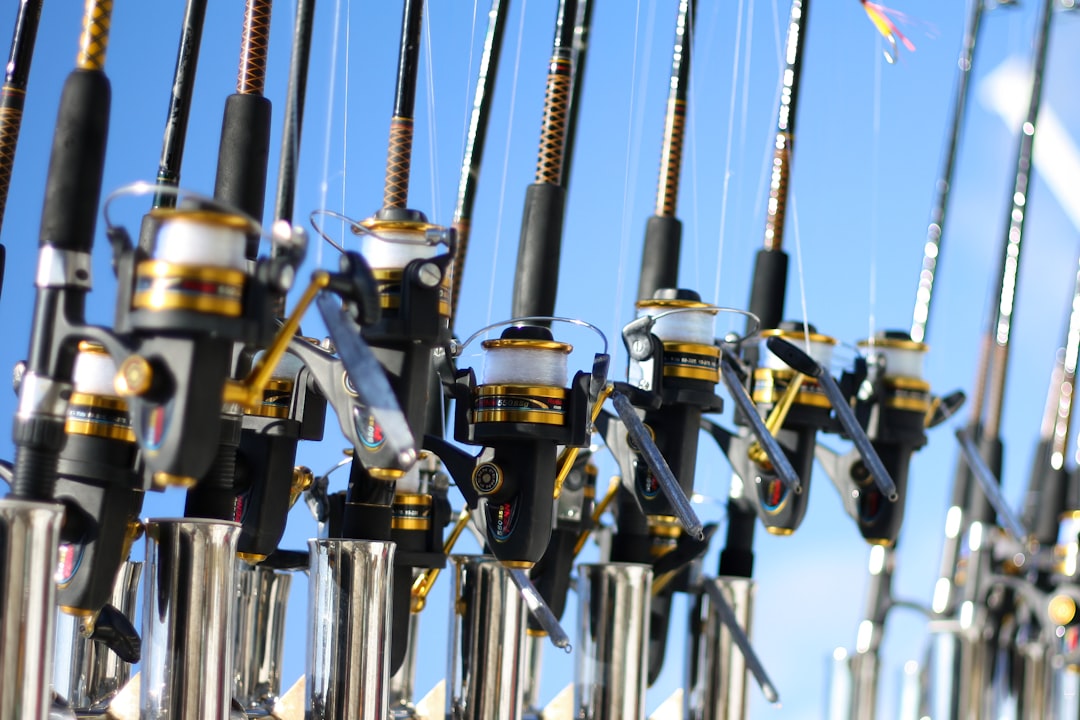
Light tackle enhances the sporting quality of char fishing. Ice fishing rods 24-30 inches long paired with small spinning reels work perfectly. Use 4-6 pound test line for optimal presentation and sporting challenge.
Small spoons, spinners, and jigs in silver, gold, and red patterns prove effective. Size matters—char inspect offerings closely. Lures between 1-3 inches typically produce best. Tip jigs with small pieces of fish or mealworms for added attraction.
Fly fishing through ice holes offers unique challenges and rewards. Small streamers and nymphs fished on sink-tip lines work when char hold in shallow water. This technique requires specialized ice fishing shelters providing enough space for casting motions.
Halibut: The Deepwater Giant
Halibut fishing continues throughout Norwegian winter despite cold temperatures. These massive flatfish provide thrilling battles and represent the ultimate prize for many anglers.
Winter Whereabouts
Halibut inhabit deep coastal waters, typically between 50 and 300 meters. They prefer sandy or muddy bottoms where they lie camouflaged waiting to ambush prey. Rocky transitions between different bottom types concentrate halibut as they move between resting and feeding areas.
Tidal currents influence halibut location and feeding activity. Slack tide periods see reduced activity, while moving water triggers feeding. Target the first hour of incoming tide for optimal results.
Tactics for Success
Halibut fishing requires substantial tackle. Heavy boat rods rated for 30-80 pound line paired with large conventional reels handle both depth and fish size. Braided line provides necessary sensitivity at extreme depths while minimizing stretch during hook sets.
Large baitfish presented on bottom rigs account for most halibut. Whole mackerel, herring, or coalfish weighing 300-500 grams attract attention. Rig bait on 8/0 to 10/0 circle hooks with sufficient weight (400-800 grams) to maintain bottom contact in current.
Artificial lures including large shads and swimbaits also produce results. Work these lures with slow retrieves just above bottom. Strikes often feel like snagging bottom as halibut engulf prey with minimal movement.
Coalfish: The Aggressive Schooler
Coalfish (saithe) provide fast-paced action during winter. These aggressive schooling fish inhabit mid-water areas near structures and drop-offs.
Locating Coalfish
Unlike bottom-dwelling species, coalfish suspend at various depths depending on baitfish location and light conditions. They often school between 20 and 60 meters over much deeper water. Electronic fish finders clearly show these suspended schools as distinct arches or clouds.
Coalfish relate to structures including underwater pinnacles, wrecks, and steep walls. They use structures as ambush points for intercepting baitfish. Deep fjords with vertical walls hold excellent coalfish populations.
High-Speed Tactics
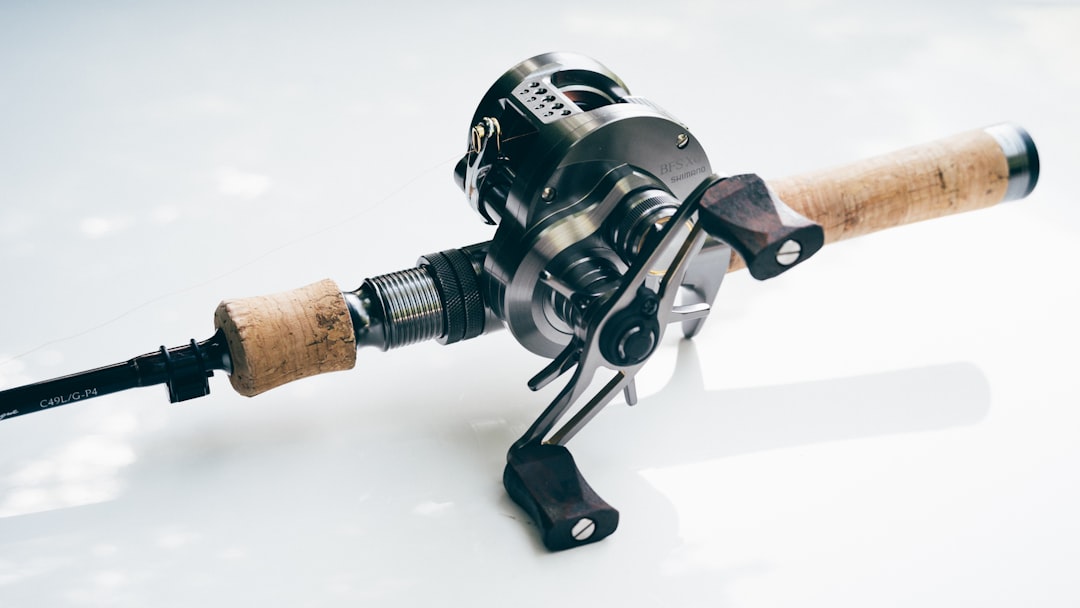
Fast-moving lures trigger aggressive strikes from coalfish. Speed jigs worked with rapid, erratic retrieves excel. Drop lures to target depth, then retrieve with quick upward rips followed by controlled descents. Coalfish commonly strike during the fall.
Smaller jigs (100-200 grams) work well for coalfish compared to cod-sized offerings. Silver, pearl, and chartreuse colors prove consistently effective. Coalfish hit hard and fight powerfully, testing tackle and angler skill.
Redfish: The Coastal Opportunist
Redfish (ocean perch) occupy deeper coastal waters and provide excellent table fare. These orange-red fish school densely over specific bottom types.
Finding Redfish
Redfish inhabit depths between 80 and 400 meters, typically over hard bottom. They form very tight schools, often appearing as solid masses on fish finders. Once located, these schools provide consistent action as long as anglers remain positioned correctly.
Specialized Approach
Redfish require heavy tackle due to depth. Small jigs (200-400 grams) tipped with bait work effectively. Drop to bottom, then work lures with subtle lifts and drops. Redfish mouths are delicate—set hooks firmly but not violently to avoid tearing.
Multiple-hook rigs allow catching several redfish per drop. While efficient, this approach requires careful handling to safely release unwanted fish and avoid tangling.
Sea Trout: The Silver Ghost
Sea trout fishing offers unique winter opportunities, particularly in northern Norway where these fish remain in coastal waters year-round.
Winter Patterns
Sea trout patrol shallow coastal areas seeking small fish and crustaceans. They frequently move into brackish estuaries and lower river sections. Unlike their anadromous salmon cousins, sea trout feed actively throughout winter in saltwater.
Effective Methods
Fly fishing, spinning, and bait fishing all produce sea trout. Streamers and minnow imitations work for fly anglers. Spin fishers should use small spoons and spinners in silver and blue patterns. Live shrimp fished under floats produces consistently when sea trout refuse artificials.
Haddock: The Forgotten Treasure
Haddock receive less attention than cod but provide excellent fishing. These bottom dwellers share similar habitats with cod but often occupy slightly different depths and structures.
Where and When
Haddock prefer softer bottoms than cod, often positioning over sand-mud interfaces near rocky areas. Depths between 40 and 150 meters typically hold fish. Haddock feed primarily during daylight hours with peak activity during midday.
Targeting Techniques
Smaller lures and baits work better for haddock than cod-sized offerings. Jigs between 100-250 grams with red, orange, or pink accents attract attention. Bait rigs using small pieces of herring or mackerel produce consistently. Haddock bite gently compared to cod—sensitive tackle helps detect subtle takes.
Conservation and Responsible Fishing
Norwegian winter fisheries remain healthy due to strong management and responsible angler practices. Observe all size and bag limits. Release undersized fish carefully and quickly. Consider practicing catch-and-release for species not intended for consumption.
Handle fish gently to improve survival of released individuals. Keep fish in water when removing hooks. Use appropriate tackle to land fish quickly, reducing exhaustion. Circle hooks reduce deep hooking and improve release survival.
Planning Multi-Species Trips
Targeting multiple species during single trips increases success odds and provides variety. Many species inhabit similar areas but at different depths. After catching cod and haddock near bottom, target coalfish in mid-water over the same structures.
Varying techniques throughout the day maintains interest and accommodates changing fish behavior. Start with aggressive jigging during prime feeding periods, then switch to bait fishing as activity slows. This adaptive approach maximizes productivity.
Conclusion
Norwegian winter waters offer remarkable diversity of fish species providing year-round angling opportunities. Understanding each species' unique characteristics, behaviors, and preferred techniques transforms random fishing into purposeful hunting. Whether targeting massive halibut in deep water, aggressive cod during spawning runs, or beautiful Arctic char through the ice, Norwegian winter fishing delivers experiences matching any angling destination worldwide.
Success comes from research, preparation, and time on water. Study species information, invest in appropriate equipment, and practice techniques. Most importantly, respect these incredible fish populations through responsible practices ensuring future generations enjoy similar opportunities.