Ice fishing in Norwegian lakes offers some of the most rewarding winter angling experiences available. Moving beyond basic techniques and developing advanced strategies separates occasional success from consistent productivity. This guide explores sophisticated approaches used by experienced ice anglers to locate and catch fish throughout the winter season.
Understanding Underwater Topography
Reading underwater structures through ice represents the foundation of advanced ice fishing. Unlike open-water fishing where visual cues help identify productive areas, ice fishing requires interpreting limited information to predict fish location.
Pre-Season Scouting
Serious ice anglers scout lakes before ice-up using depth finders and GPS units. Map underwater structures including drop-offs, underwater humps, weed beds, and springs. Document these locations with precise GPS coordinates. When ice covers the lake, you'll know exactly where to drill holes rather than searching randomly.
Bathymetric maps provide valuable information about lake contours. Study these maps to identify likely fish-holding structures. Look for depth transitions, points extending into deeper water, and areas where different depth contours come close together creating slopes. These features concentrate fish and baitfish throughout winter.
Ice Fishing Sonar Technology
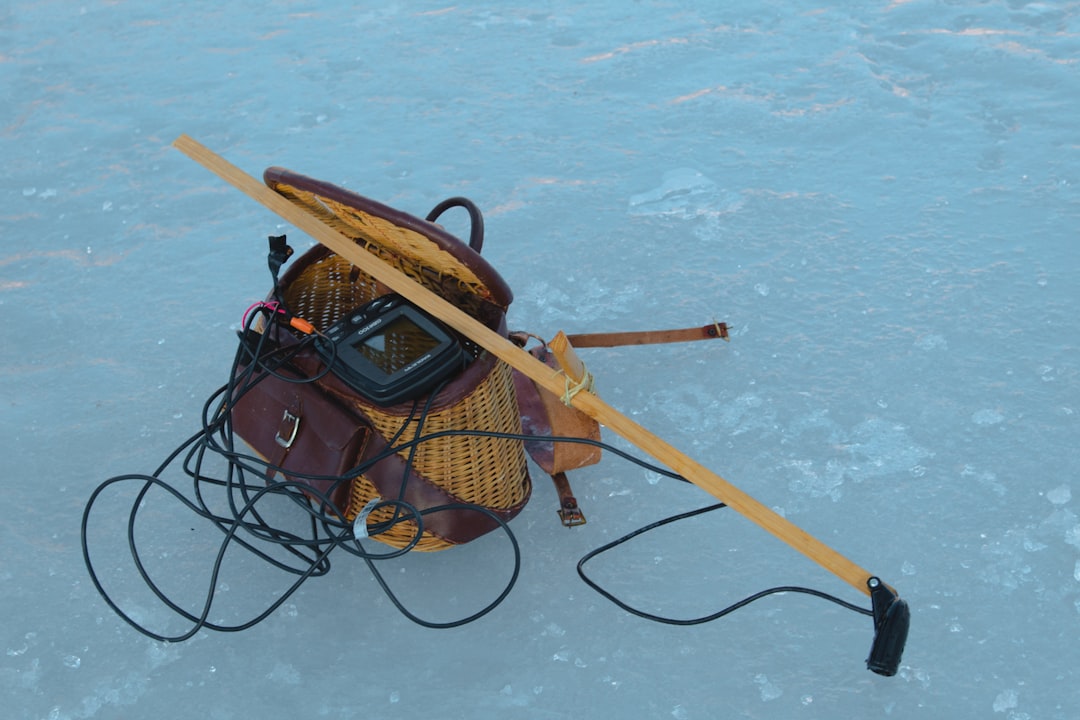
Modern ice fishing sonar displays real-time information about depth, bottom composition, and fish location. Flasher-style units excel for ice fishing, showing fish movement and lure position simultaneously. Learn to interpret different signal strengths—strong returns indicate large fish or tightly schooled smaller fish, while weaker signals represent individual smaller fish or your lure.
Portable sonar allows checking multiple holes quickly. Drill several holes over suspected structures, then use sonar to identify which holds fish. This mobile approach dramatically increases efficiency compared to setting up at a single location hoping fish arrive.
Seasonal Fish Movement Patterns
Fish location changes throughout winter following predictable patterns based on oxygen levels, temperature, and forage availability.
Early Ice Period
First ice brings excellent fishing as fish remain in shallow areas where they spent autumn. Weed beds still hold oxygen and baitfish. Target depths between 5 and 15 feet during early season. Fish aggressively pursue prey, making this period ideal for beginners and experienced anglers alike.
Focus on areas near deeper water allowing fish to move between shallow feeding zones and deep resting areas. Points, inside turns, and channels connecting shallow bays to main lake basins concentrate fish movement.
Midwinter Adjustment
As winter progresses, fish move deeper following oxygen levels and baitfish. Snow accumulation blocks light penetration, killing shallow vegetation and reducing oxygen production. Fish concentrate in areas maintaining adequate oxygen—near springs, current areas, and deeper basins with sufficient volume.
Depths between 15 and 40 feet typically hold fish during midwinter. Fish become less aggressive as metabolism slows in coldest water temperatures. Subtle presentations and patient approaches become necessary.
Late Ice Opportunities
Late winter brings renewed activity as increasing daylight and warming water temperatures trigger pre-spawn movements. Fish begin moving shallower, particularly during afternoon hours when sun warms shallow areas. Target transition zones between deep winter haunts and shallow spawning areas. Late ice often provides the season's best fishing for anglers willing to carefully navigate deteriorating ice conditions.
Advanced Jigging Techniques
Effective lure presentation separates successful anglers from those simply dropping baits through holes. Understanding different jigging cadences and when to apply each increases catch rates significantly.
The Aggressive Approach
Active fish respond to aggressive jigging motions. Use sharp upward snaps followed by controlled drops. Vary snap intensity and frequency until determining what triggers strikes. This technique works best during early ice and late ice periods when fish activity peaks.
Pound bottom occasionally to raise sediment clouds attracting curious fish. Many strikes occur immediately after stopping aggressive jigging as fish investigate the disturbance. Remain alert during these pause periods.
Subtle Presentations
Lethargic midwinter fish require more subtle approaches. Use gentle lifts and minimal movements. Small jigging spoons or tungsten jigs with subtle actions excel during these periods. Tip jigs with live bait like waxworms or small minnows adding scent and subtle movement attracting inactive fish.
Dead-sticking—suspending bait motionlessly at specific depths—sometimes outperforms active jigging. Set one rod with a stationary presentation while actively jigging a second rod. Fish often prefer the motionless offering when negative mood dominates.
Combination Strategies
Alternate between aggressive and subtle presentations within same fishing session. Start aggressive to attract active fish, then slow down after initial flurry. This two-phase approach capitalizes on different fish moods and activity levels within the same school.
Multi-Rod Systems
Norwegian regulations allow multiple rods per angler in most locations. Using multiple rods simultaneously increases efficiency and allows experimenting with different depths and presentations.
Strategic Rod Placement
Space rods at different depths over same hole or adjacent holes. Place one rod near bottom, another mid-depth, and third just below ice. This vertical coverage pattern helps locate fish depth preference quickly. Once determining productive depth, concentrate efforts there.
Horizontal spacing works well over large structures. Drill holes every 10-15 meters along contour lines. Set rods at each hole targeting same depth. This approach determines precise fish location along structures rather than guessing.
Tip-Up Techniques
Tip-ups allow covering water while actively jigging. Set tip-ups over prime locations with live minnows, then actively jig nearby holes. Tip-ups serve as both fish-catchers and fish-finders—flags indicating active areas deserve more attention with active jigging presentations.
Quick-strike rigs on tip-ups improve hook-up rates, particularly for toothy predators. These rigs use two hooks—one through minnow's lips, another near dorsal fin—allowing immediate hook sets when flags trip without waiting for fish to swallow bait.
Reading Ice Structures
Ice itself provides clues about underwater features and fish location. Experienced anglers read these signs to find productive areas.
Pressure Cracks and Ridges
Pressure ridges form where ice sheets collide and buckle upward. Underwater, these zones often correspond with depth changes or current areas. Fish patrol these transitions. Exercise caution near pressure ridges as ice integrity may be compromised.
Snow-Free Areas
Wind-swept areas clear of snow allow light penetration maintaining some vegetation growth. These zones hold more oxygen and attract baitfish. Target edges where clear ice meets snow-covered areas—predators patrol these transitions ambushing baitfish.
Ice Color Variations
Ice color indicates formation conditions and potential hazards. Dark spots suggest thin ice, springs, or current areas. While potentially dangerous, these areas also concentrate fish attracted to moving water and oxygen. Approach cautiously using ice picks and testing thickness frequently.
Advanced Bait Strategies
Bait selection and presentation subtleties impact success, particularly when targeting finicky winter fish.
Live Bait Techniques
Hook placement affects minnow presentation. Hooking through lips allows swimming freely attracting attention. Hooking through back near dorsal fin keeps minnow at specific depth preventing diving toward bottom. Match hooking method to fishing scenario.
Bait size matters significantly. Downsize baits as winter progresses and fish become more selective. Small minnows 1-2 inches long often outproduce larger offerings during midwinter. Early and late ice periods allow larger baits targeting aggressive fish.
Scent Applications
Commercial fish attractants enhance artificial lure effectiveness. Apply scent to jigs and spoons adding olfactory stimulus to visual attraction. Reapply frequently as scent disperses quickly in cold water. Natural baits like fish pieces or insect larvae provide inherent scent attraction.
Weather Impact on Ice Fishing
Understanding weather's influence on fish behavior allows timing trips for maximum productivity.
Barometric Pressure
Falling barometric pressure preceding weather systems often triggers feeding activity. Plan fishing during the 12-24 hours before storm systems arrive. Stable high pressure periods frequently produce slower fishing though comfortable conditions.
Cloud Cover and Light
Overcast days often produce better fishing than bright, sunny conditions. Reduced light increases fish comfort levels, encouraging movement into shallower areas and more aggressive feeding. Time trips around cloudy periods when possible.
Temperature Swings
Warm spells during winter create temporary activity increases as water temperatures rise slightly. These periods see fish moving shallower and feeding more actively. Conversely, severe cold snaps shut down activity. Monitor forecasts and plan trips around moderate temperatures for best results.
Safety in Advanced Ice Fishing
Pushing boundaries with advanced techniques must never compromise safety. Always check ice thickness before venturing out. Minimum 4 inches of clear ice supports individuals, 6-8 inches small groups. Pressure ridges, current areas, and springs create hazardous thin spots—avoid these areas or approach with extreme caution.
Carry safety equipment including ice picks, throw rope, and spare clothing. Fish with partners when possible. Inform someone of your location and expected return time. Mobile phones in waterproof cases provide emergency communication, though coverage may be limited in remote areas.
Environmental Responsibility
Advanced anglers often catch more fish, increasing responsibility for conservation. Practice selective harvest—take only what you'll consume, release the rest. Handle fish gently minimizing time out of water. Use appropriate tackle landing fish quickly reducing exhaustion.
Remove all trash including bait containers, line scraps, and food waste. Drilled holes become hazards for snowmobiles and skiers—mark holes with branches or stakes when leaving. Respect other anglers giving adequate space and avoiding areas already being fished.
Conclusion
Mastering advanced ice fishing techniques requires patience, practice, and willingness to continually learn. Success comes from understanding fish behavior, reading structures, adapting presentations to conditions, and utilizing technology effectively. Each fishing trip provides opportunities to refine skills and develop patterns specific to waters you fish.
Keep detailed records documenting conditions, techniques, and results. Patterns emerge over seasons revealing what works when and where. Share knowledge with fellow anglers while learning from their experiences. Ice fishing community thrives on shared information and mutual respect. By continually developing skills while maintaining safety consciousness and environmental responsibility, you'll enjoy decades of winter fishing success on Norwegian lakes.