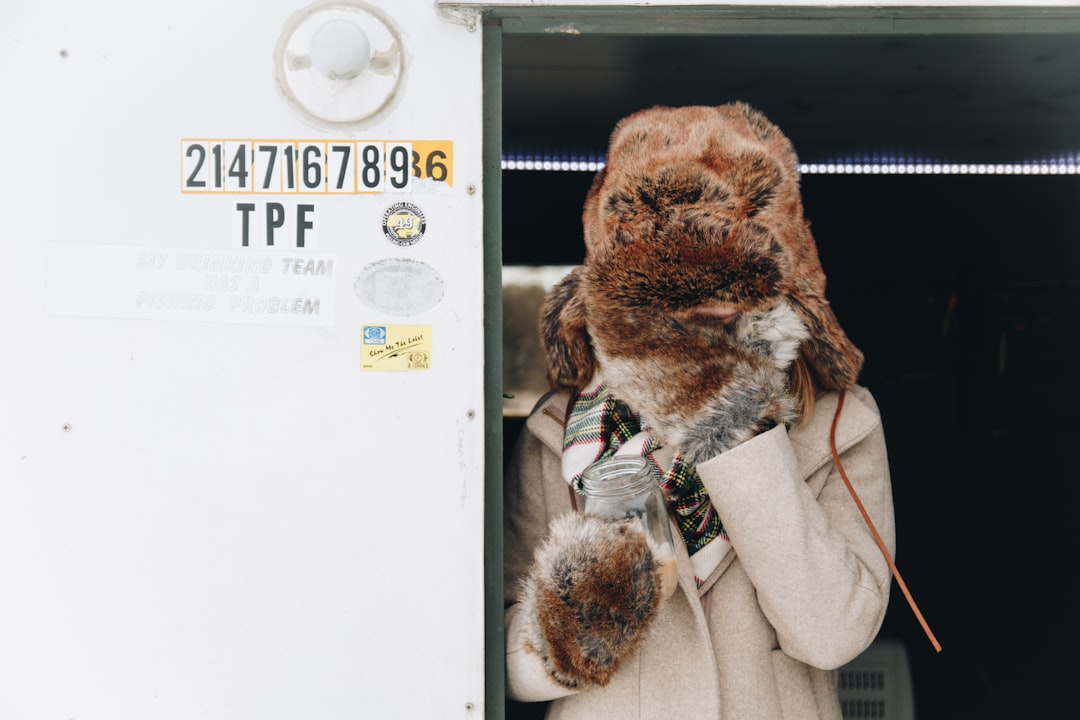
Norwegian winter landscapes provide breathtaking backdrops for fishing photography. Snow-covered mountains, dramatic fjords, and unique Arctic light create opportunities for stunning images. However, cold temperatures, moisture, and challenging light conditions require specialized knowledge and techniques. This comprehensive guide helps you capture professional-quality fishing photographs while protecting equipment in harsh winter conditions.
Essential Camera Equipment for Winter
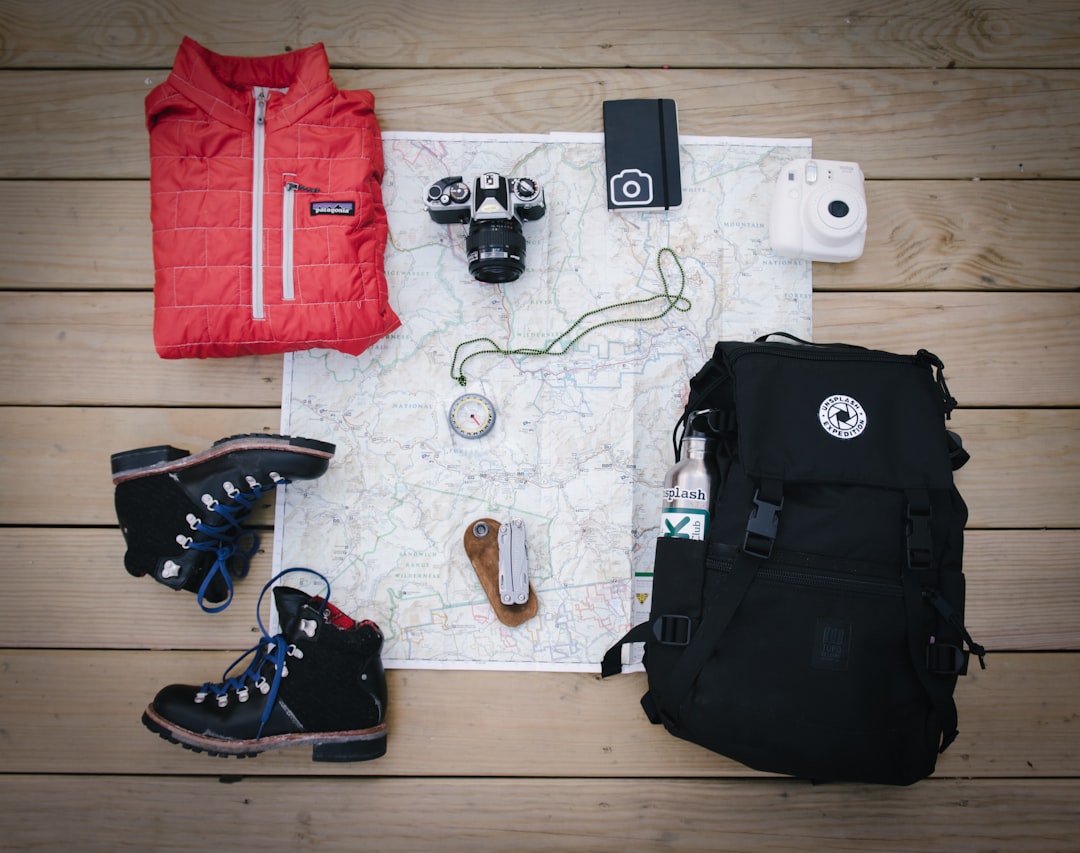
Choosing and protecting camera equipment in extreme cold represents the foundation of successful winter photography.
Camera Selection
Modern digital cameras perform remarkably well in cold conditions, but certain features enhance winter usability. Weather-sealed camera bodies protect against moisture from snow and spray. Metal bodies conduct cold, making them uncomfortable to handle—consider adding grip covers or using cameras with rubberized exteriors.
Mirrorless cameras offer advantages for winter fishing photography including lighter weight, silent shutters (less likely to spook fish), and electronic viewfinders showing exact exposure preview. DSLR cameras provide longer battery life and familiar controls for photographers transitioning to harsh conditions.
Lens Choices
Versatile zoom lenses eliminate lens changes in cold, wet conditions. A 24-70mm f/2.8 lens handles most fishing photography situations from landscape shots to close-up catch photos. Telephoto zooms like 70-200mm capture action without getting too close to fishing activity.
Fast apertures (f/2.8 or wider) gather more light crucial for low-light winter conditions. They also enable shallow depth-of-field effects isolating subjects from backgrounds. Prime lenses offer superior image quality but require carrying multiple lenses or accepting limitations in framing flexibility.
Protective Measures
Camera bags with weather protection shield equipment from snow and moisture. Keep gear inside your jacket using body heat to maintain operating temperature. Condensation forms when bringing cold equipment into warm environments—seal cameras in plastic bags before entering heated spaces, allowing gradual temperature equalization.
Carry extra batteries as cold dramatically reduces battery capacity. Keep spare batteries in inner jacket pockets using body heat to maintain charge. Swap batteries regularly to maximize shooting time.
Mastering Winter Light Conditions
Norwegian winter light presents unique challenges and opportunities. Understanding and working with available light separates average photos from exceptional images.
Limited Daylight Hours
Winter days are short, particularly in northern Norway where polar night brings 24-hour darkness during midwinter. Plan photography around brief daylight periods. The golden hours—shortly after sunrise and before sunset—last much longer in winter, providing extended periods of beautiful warm light.
Blue hour, occurring before sunrise and after sunset, offers opportunities for moody, atmospheric images. The soft blue light combined with artificial lights from boats or ice shelters creates dramatic scenes. Use longer exposures on tripods capturing the subtle light.
Snow and Ice Exposure Challenges
Bright snow and ice fool camera meters causing underexposure. Snow appears grey in properly exposed images according to your camera. Compensate by adding 1-2 stops of positive exposure compensation ensuring snow renders white while maintaining detail in highlights.
Shoot in RAW format preserving maximum dynamic range for post-processing adjustments. RAW files allow recovering underexposed or overexposed areas impossible with JPEG files.
Overcast Day Strategies
Cloudy winter days produce flat, even lighting eliminating harsh shadows. While lacking drama of directional light, overcast conditions simplify exposure and allow focusing on composition and action. Add fill flash subtly illuminating subjects without overpowering natural light.
Composition Techniques for Fishing Photos
Strong composition transforms snapshots into compelling photographs telling stories about fishing experiences.
Environmental Portraits
Include surrounding landscape showing context of fishing location. Position anglers as relatively small elements within vast Norwegian scenery emphasizing scale and drama. Use wide-angle lenses (16-35mm) capturing expansive views.
Apply rule of thirds placing subjects off-center creating more dynamic compositions than centered subjects. Position horizons along top or bottom third line rather than splitting frame horizontally in half.
Action Photography
Capture exciting moments—setting hooks, fighting fish, landing catches. Anticipate action preparing camera settings before events occur. Use continuous autofocus modes tracking moving subjects. Burst mode increases odds of capturing peak action moments.
Fast shutter speeds (1/500 second or faster) freeze action showing crisp details. Alternatively, use slower speeds (1/30 to 1/125 second) showing motion blur conveying movement energy.
Detail Shots
Close-up photographs of fish, equipment, and environmental details add variety to photo series. Macro lenses or close-focusing capabilities on zoom lenses enable these shots. Focus on interesting textures—fish scales, ice formations, rope details—creating abstract artistic images.
Fish Photography Best Practices
Photographing catches requires balancing good images with fish welfare, particularly for catch-and-release fishing.
Fish Handling
Minimize time fish spend out of water. Have camera ready with settings dialed in before lifting fish. Wet hands before handling fish protecting their delicate slime coating. Support fish properly avoiding squeezing or dropping.
Photograph fish horizontally rather than vertically reducing injury risk if fish thrashes. Photograph over water or soft snow providing cushion if fish slips from grip. Have partner ready with net for immediate release after photos.
Lighting Considerations
Direct flash creates harsh lighting and red-eye in fish. Diffuse flash using commercial diffusers or improvised materials like white plastic bags. Off-camera flash held to side creates more natural-looking directional light. Natural light produces most pleasing results when sufficient.
Angles and Backgrounds
Shoot from low angles making fish appear larger and more impressive. Position fish against clean backgrounds—water, sky, or snow—avoiding cluttered distractions. Fill frame with subject ensuring fish dominates composition.
Show scale by including angler's hands or reference objects. Consider both horizontal and vertical orientations—vertical works better for social media platforms, horizontal for prints and traditional viewing.
Smartphone Photography Tips
Modern smartphones capture impressive images when used correctly, offering convenience for fishing situations.
Advantages
Always available requiring no extra equipment to carry. Waterproof models withstand moisture better than most cameras. Immediate sharing capabilities let you post images directly to social media. Computational photography features like HDR and night mode produce surprising quality.
Limitations and Workarounds
Small sensors struggle in low light compared to dedicated cameras. Maximize available light positioning subjects in brightest areas. Avoid digital zoom which degrades image quality—move closer physically instead.
Cold affects smartphone batteries severely. Keep phones inside jacket between shots. Portable battery packs provide emergency charging. Touch screens become difficult operating with gloves—consider styluses or capacitive glove options.
Smartphone Accessories
Waterproof cases provide protection from moisture. Portable LED lights improve illumination for photos and videos. Smartphone tripod mounts enable stable shots and selfies using timer functions.
Video Documentation
Video captures action and atmosphere impossible in still photos, creating engaging content for sharing fishing adventures.
Planning Video Sequences
Think in scenes rather than single continuous shots. Capture establishing shots showing location, medium shots of fishing action, and close-ups of details. Vary shot lengths—some short clips for energy, some longer for atmosphere. Shoot extra footage providing editing options.
Camera Settings
Use 1080p resolution balancing quality with file size. Higher frame rates (60fps or 120fps) enable smooth slow-motion sequences highlighting action. Stabilization features reduce shake from hand-holding cameras—essential for boat or ice fishing movement.
Audio Considerations
Wind noise ruins video audio. External microphones with windscreens dramatically improve sound quality. Consider adding music or narration during editing rather than relying on location audio in windy conditions.
Post-Processing for Impact
Editing refines raw images maximizing their impact while maintaining natural appearance.
Essential Adjustments
Correct exposure ensuring bright whites without blown highlights and dark shadows with visible detail. Adjust white balance rendering snow neutral rather than blue or yellow. Increase contrast slightly adding punch to images.
Crop images improving composition and removing distracting elements. Straighten horizons creating professional appearance. Sharpen images moderately enhancing detail without creating artificial appearance.
Creative Enhancements
Adjust color saturation emphasizing cold blue tones of winter scenes or warming golden hour light. Apply vignetting darkening corners drawing attention to center subjects. Black and white conversions emphasize texture and form when color distracts.
Software Options
Adobe Lightroom provides comprehensive editing tools with non-destructive workflow. Free alternatives like Darktable or RawTherapee offer similar capabilities. Smartphone apps including Snapseed and VSCO enable editing directly on mobile devices.
Sharing and Archiving
Preserving and sharing fishing photographs extends enjoyment beyond trips themselves.
Social Media Best Practices
Resize images appropriately for platforms—Instagram favors square or vertical crops, Facebook handles horizontal better. Use relevant hashtags increasing discoverability. Tell stories in captions providing context beyond just images.
Post consistently but avoid overwhelming followers with excessive images. Select best shots rather than sharing everything captured. Engage with comments building community around shared interests.
Image Organization
Develop systematic filing structure organizing photos by date, location, or species. Use descriptive filenames and keywords enabling easy searching later. Rate images during initial review identifying keepers and deleting obvious rejects.
Backup Strategy
Maintain multiple copies of important images. Combine local storage with cloud backup protecting against drive failure or loss. Consider printing favorite images—physical prints survive technological changes.
Legal and Ethical Considerations
Responsible photography respects both subjects and environments.
Fish Welfare
Never sacrifice fish health for photographs. Quick photos with proper handling or no photos releasing fish immediately when exhausted. Educate others about responsible fish photography practices through example and explanation.
Location Sensitivity
Consider impact of sharing specific location information. Publicizing productive spots can lead to overcrowding and resource damage. Share general areas rather than precise locations. Some landowners prohibit photography on private property—respect these restrictions.
Privacy and Permissions
Obtain permission before photographing other anglers, particularly for commercial use. Respect those who prefer not being photographed. Be considerate of others' space and fishing—photography shouldn't interfere with others' experiences.
Conclusion
Winter fishing photography combines technical skill, artistic vision, and practical field craft. Mastering cold-weather equipment handling, understanding unique light conditions, and developing compositional awareness transforms ordinary snapshots into compelling visual stories. Whether using professional camera equipment or smartphones, the principles remain constant—preparation, patience, and respect for subjects and environment.
Every fishing trip offers opportunities for unique images capturing moments, emotions, and beauty of Norwegian winter fishing. Practice regularly, experiment with different approaches, and learn from both successes and failures. Your growing photography skills enhance fishing enjoyment while creating lasting memories shared with others. The best camera is the one you have with you—so bring it fishing and start capturing your Norwegian winter adventures today.